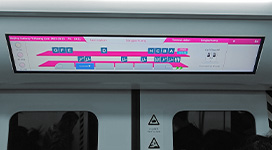
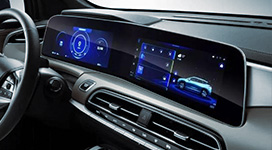
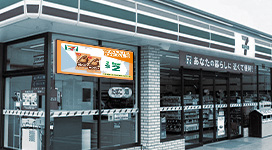
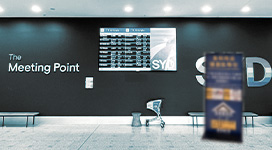
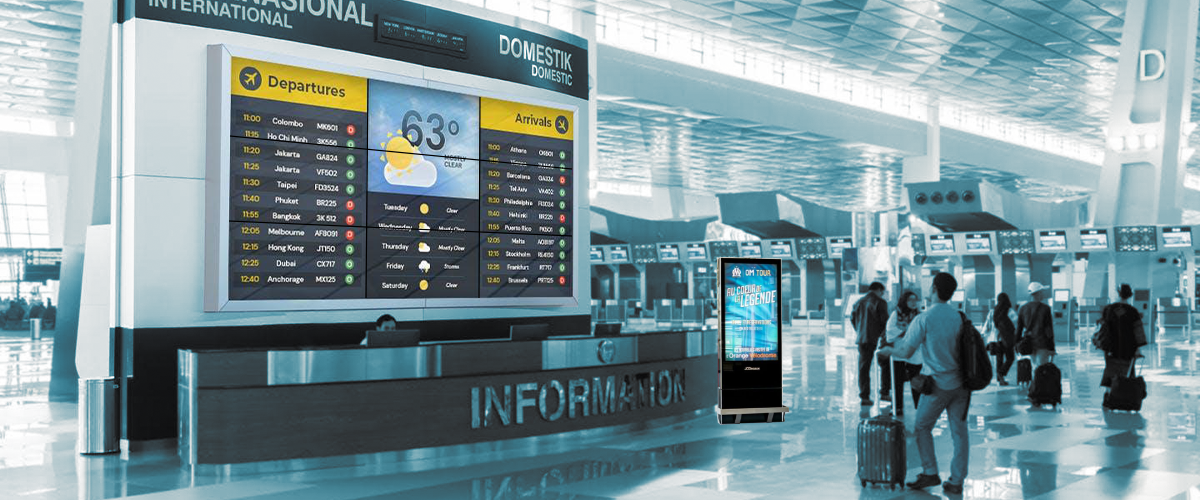
In the early hours of September 12, 2025, Marciak, the operations director of a UK airport, sent an inquiry to Gomany. He was dissatisfied with the airport's current operational efficiency and passenger feedback, and hoped to improve the overall experience through a digital display solution.
As a provider specializing in digital displays, Gomany responded quickly and launched this collaborative project. This upgrade focused on the airport's high-traffic environment, aiming to optimize operational efficiency using digital signage.
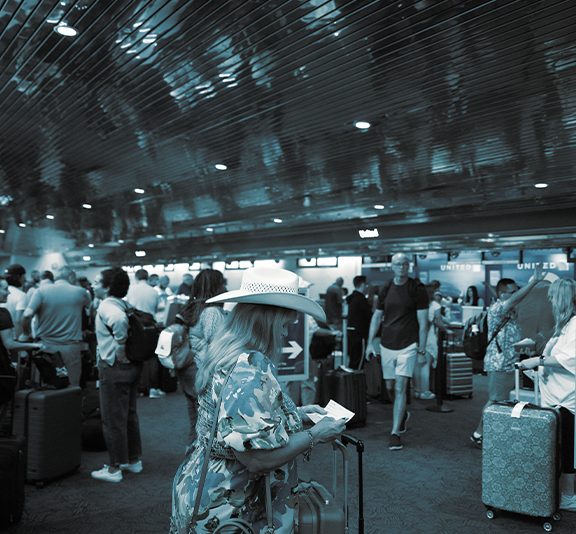
Marciaak's airport handles thousands of passengers daily. The original system relied on static signage, leading to information delays and complex maintenance. Through initial communication, the Gomany team understood the airport's specific pain points, laying the foundation for subsequent solution design and ensuring the solution met actual needs.
This case is not only a technology upgrade but also a model of Gomany's collaboration with clients in the transportation sector to explore digital transformation. By introducing efficient display equipment, the airport transformed from passive information dissemination to interactive services, providing valuable reference for similar projects.
Modern airports process thousands of dynamic information updates daily, ranging from flight status and gate changes to security wait times. Static signage or outdated screens cannot provide real-time updates, leading to delayed notifications and many people missing important announcements.
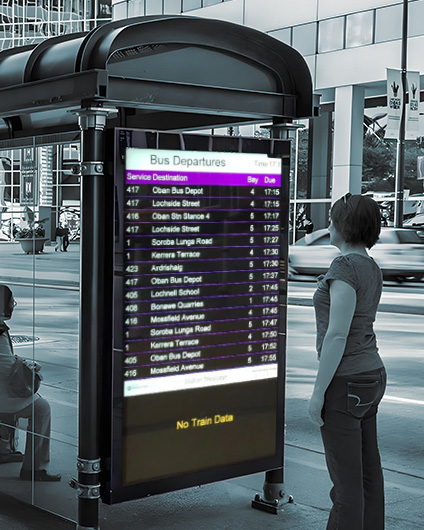
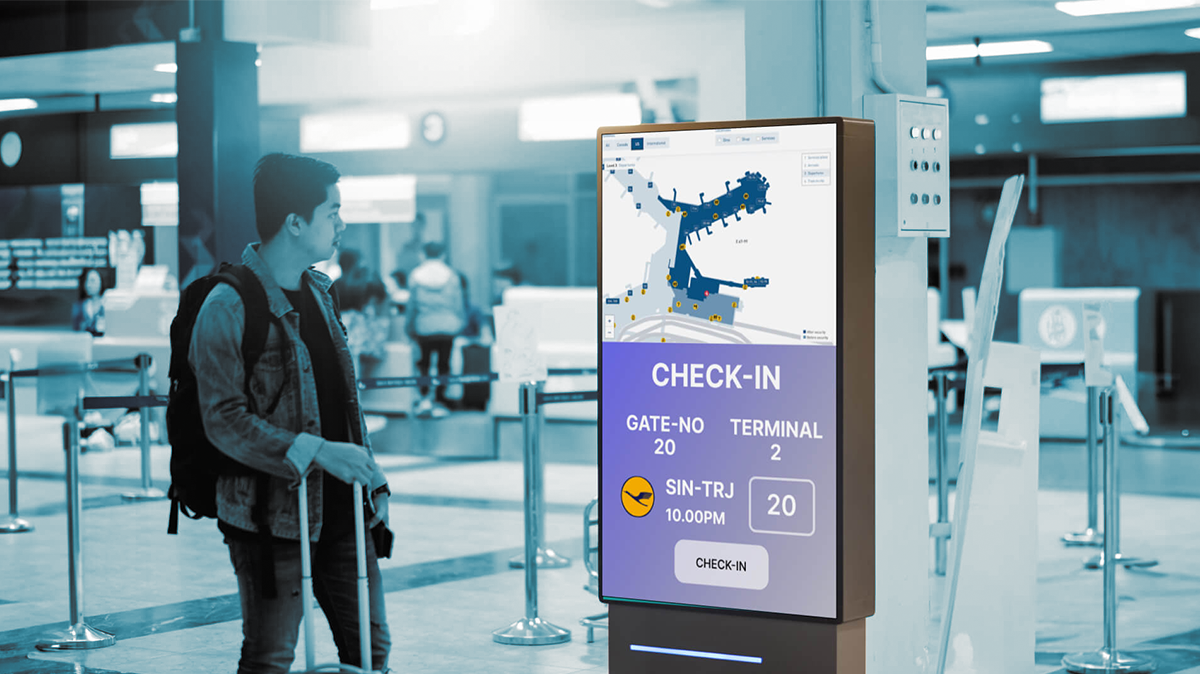
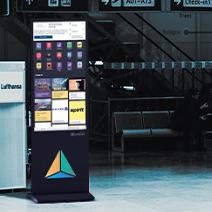
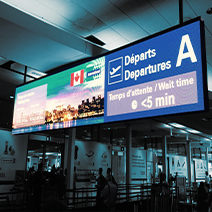
This not only increases anxiety but can also cause congestion. Digital Signage provides instant push notifications through dynamic displays, such as flight changes and gate adjustments, helping passengers make quick decisions and improving overall satisfaction.
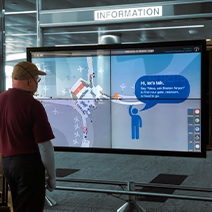
The airport's complex internal structure, with intersecting paths leading to different gates, baggage claim areas, and commercial areas, requires passengers to make an average of 4-6 directional choices to complete the check-in and boarding process.
Fixed signage cannot be adjusted for construction or temporary traffic control measures. During peak hours, the average wait time at information desks exceeds 12 minutes. The complex terminal layout, coupled with limited time, and unclear route guidance directly increase the number of passengers missing their gates, resulting in losses for both passengers and the airport.
Delays and inaccuracies in information transmission directly translate into operational pressure, with airport staff spending nearly 30% of their time handling basic inquiries.
Cumbersome updates to commercial advertising content fail to flexibly match peak passenger flow, and the lack of a unified information dissemination tool by management results in low communication efficiency and high costs when dealing with emergencies such as flight delays.
After installing airport digital displays, passenger satisfaction surveys showed a 26% increase. Information update speed was reduced from an average of 5 minutes to instant push notifications, and delay-related complaints decreased by 30%. After Gomany's equipment integration, airport congestion during peak hours decreased by 15%.
Regarding route guidance, before the upgrade, the airport received approximately 30 to 50 inquiries about getting lost daily. After the digital display upgrade, the number of inquiries dropped to less than 10. Data shows that passenger navigation efficiency improved by 25%. This change not only alleviated peak-hour pressure but also enhanced the airport's international image.
In terms of commercial benefits, the utilization rate of advertising space on the video walls increased from 30% to 95%. Dynamic content had a conversion rate 3.8 times higher than static posters. The airport's non-aeronautical revenue grew by 18% in the first quarter, with digital signage contributing over 60%.


Contact me