In April 2025, we received a quote from Mr. Ala Manson, an operator of a taxi company in Canada.
This email initiated an important dialogue with the North American transportation sector. Mr. Manson was actively seeking technological upgrades to address industry competition and passengers' growing demands for digital experiences.
The email stated that their taxis needed more effective display devices to display advertisements and information, replacing outdated static signs. This collaboration stemmed from their urgent need for digital transformation in local transportation, and we responded quickly.
Based on a deep understanding of the client's pain points, we decided to develop this collaboration into a case study, deploying Gomany's digital display solution to help the client transform each taxi into a mobile, intelligent information terminal, creating win-win value for all parties involved.
Taxi companies are facing stagnant advertising revenue. Existing rooftop displays only support static images, failing to attract dynamic content partners.
Clients urgently need a more efficient medium that can dynamically publish, be remotely managed, and support time-segmented and area-specific advertising content.
By installing LCD screens on the rooftops of taxis, they hope to transform their fleet into a mobile advertising network with real-time bidding and flexible content replacement, thereby attracting more diverse and higher-value advertisers and directly converting passengers' travel time into substantial advertising revenue.
Passengers often lack entertainment options in taxis, especially during long journeys where boredom is common. Companies hope to install stretched LCD displays in the rear seats, providing real-time maps, weather updates, and news feeds.
Ala Manson mentioned that surveys show passenger satisfaction is low due to a lack of information. Passengers are seeking curved LCD screens that fit the interior space and support touch operation.
In this way, taxis transform from simple transportation tools into mobile information hubs, meeting the needs of modern urban life.
Taxis, navigating the streets and alleys of a city, are an ideal platform for location-based marketing. Clients recognize the potential for precise targeting and desire systems that support advertising or information pushes based on the vehicle's real-time location.
This strengthens connections with the community, attracts sponsors, and this localized strategy helps companies differentiate themselves and build a loyal customer base.
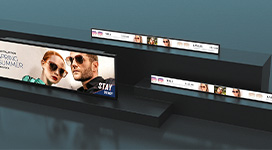
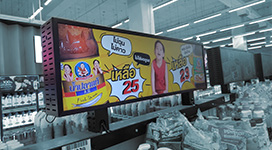
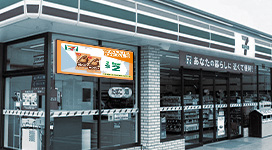
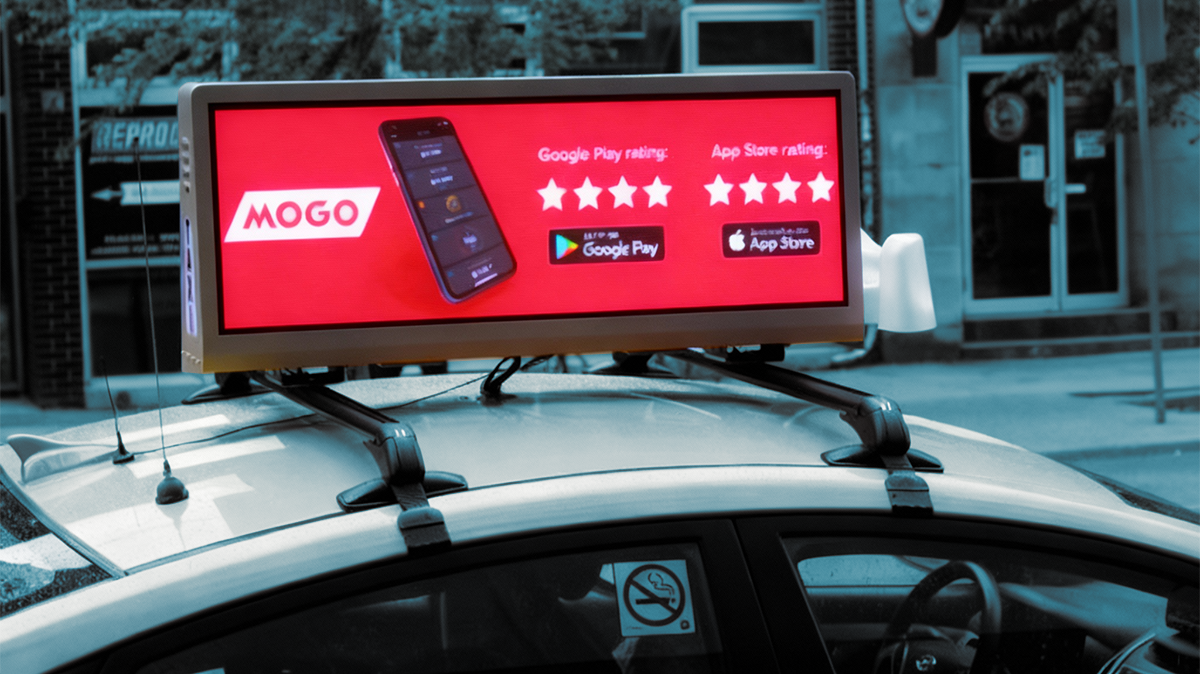
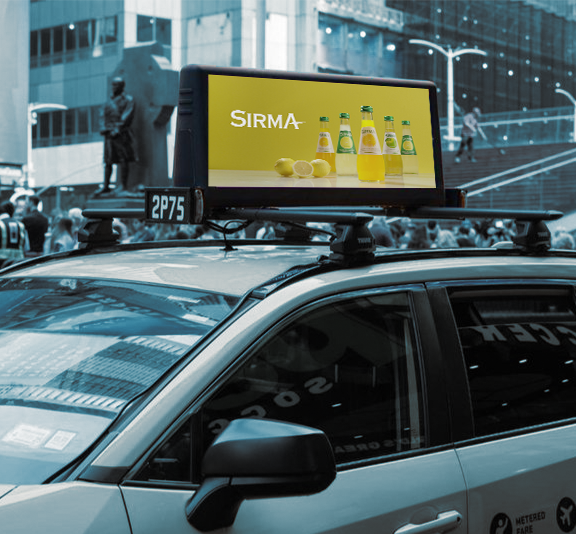
For vehicle-mounted advertising and information display, we equipped our fleet with high-brightness, wide-viewing-angle outdoor stretched LCD digital signage, installed on the roofs of taxis.
This screen boasts a high waterproof rating and wide-temperature operating capability, adapting to Canada's variable weather conditions.
It is primarily used to display scrolling advertisements, emergency public information, or fleet identification, becoming a prominent mobile billboard in the city.
The backend allows for centralized content management, ensuring the timeliness and consistency of information dissemination, significantly enhancing brand exposure and advertising value.
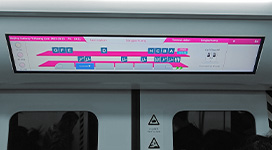
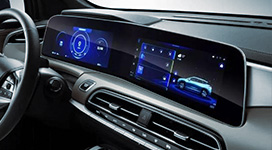
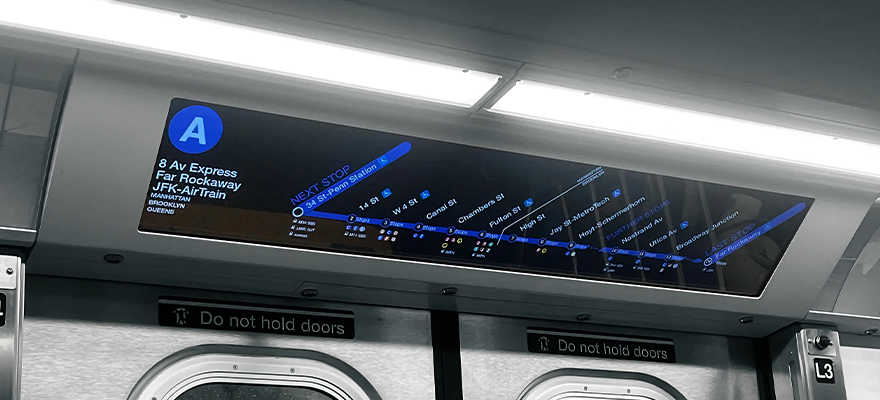
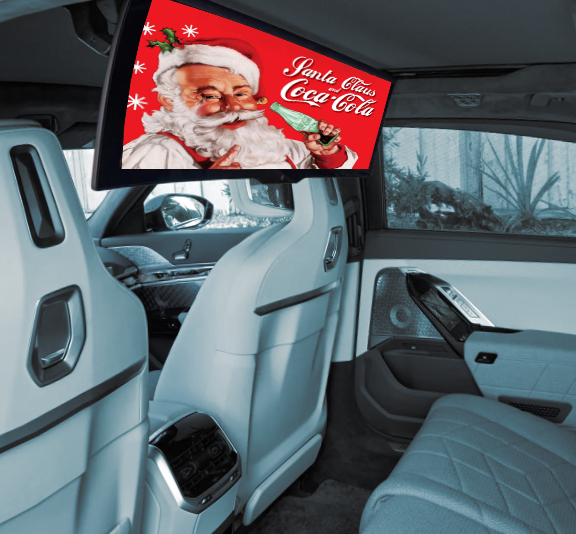
For the rear passenger area, we designed a curved stretched LCD display. Its flexible structure perfectly conforms to the curvature of the vehicle interior, avoiding wasted space.
The advertising LCD content includes entertainment clips, local news, map services, and interactive advertisements.
More importantly, the system can be linked to the taxi's route, enabling the aforementioned localized information delivery and creating an information-rich and highly interactive riding environment for passengers.
Before Deployment
Previously, fleet advertising relied on vehicle stickers, which were difficult and time-consuming to change, often remaining unchanged for months. Advertisers were limited to a few long-term partners, resulting in a monotonous format.
Passengers lacked entertainment or information service options during their journeys, and their travel time was not effectively utilized. For local businesses, taxi advertising, due to its lack of precision and dynamism, had limited appeal, leading to stagnant growth in this segment of advertising revenue.

Post Deployment
Following the deployment of digital screens, advertising content could be updated hourly or daily. Ad fill rates increased by 70% within three months, a mobile advertising network was initially established, and the fleet's average monthly advertising revenue increased by 30%.

Passenger surveys showed that over 85% of passengers welcomed the entertainment and information provided by the in-vehicle screens, and average passenger satisfaction scores rose by 22%.
Local businesses actively utilized location-based push notifications to achieve precise quantification of marketing effectiveness.

Contact me