On October 18, 2025, Jerick Tolsky sent us an email requesting a quote for digital signage equipment. Tolsky, the manager of a mid-sized fitness center in New York City, operates a neighborhood gym with over 1,000 active members, primarily offering group classes and weight training.
However, with increasing competition, their traditional posters and bulletin boards were no longer meeting members' needs. Tolsky wanted to introduce digital display equipment to refresh the space's atmosphere and hoped for rapid deployment within budget.
In recent years, with the recovery of the New York fitness market, members' demands for personalized experiences have increased. In his email, Tolsky described current pain points: delayed notifications of class changes led to booking confusion; and marketing campaigns were difficult to promote in a timely manner, impacting new member recruitment.
Our technical team responded quickly, providing initial proposal sketches, emphasizing equipment compatibility and ease of use, which gave Tolsky confidence in the partnership.
Today, gyms are more than just places to exercise; they're symbols of a lifestyle. Outdated posters and static signage are no longer sufficient to match the brand image of high-end fitness.
Jerick Tolsky needed to leverage digital signage to highlight a technological feel. High-quality screens displaying engaging class videos, instructor introductions, and brand stories quickly conveyed a professional and leading brand image, visually attracting and retaining fitness enthusiasts.
Real-time information updates are a key pain point in gym management and operations. Previously, class adjustments required manually replacing paper notices, which was time-consuming and prone to errors. Jerick Tolsky wanted to change this inefficient model. He needed a method that could be centrally controlled from a management backend, allowing for one-click synchronization of content updates to all terminals.
This would not only ensure absolute timeliness and accuracy of information but also free the operations team from tedious material production and replacement, allowing them to focus on core services and achieve cost reduction and efficiency improvement.
Service efficiency directly impacts member satisfaction. During peak hours, long queues often form at the front desk as members inquire about course details, appointment status, or account information, significantly diminishing the experience. Jerick realized it was essential to streamline these basic inquiries.
Introducing self-service kiosks, allowing members to easily and independently access information, became a key requirement. This not only significantly reduces front desk workload and shortens member wait times but also provides 24/7 unrestricted self-service, improving overall operational efficiency.
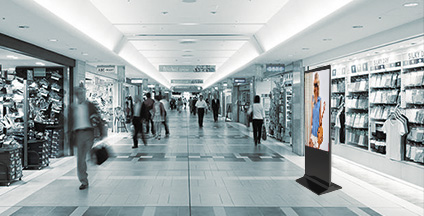
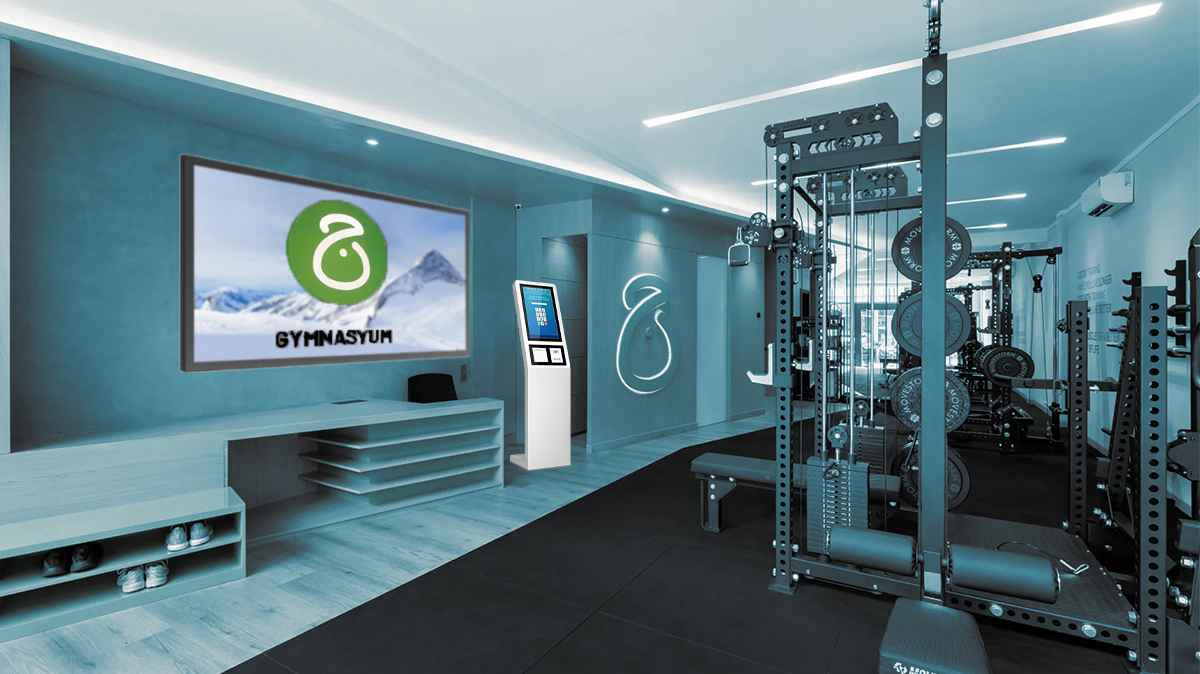
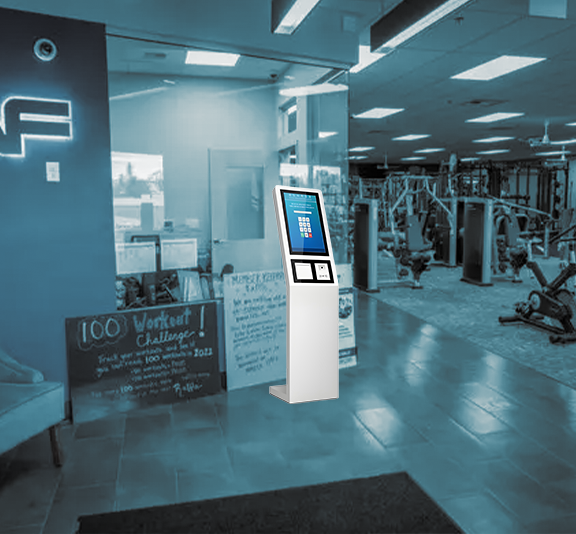
At the gym entrance, we deployed floor-standing digital signage, allowing members to view the day's classes and promotions as soon as they enter. Its sleek and slim design perfectly complements the gym's environment, conveying a vibrant and professional first impression to every visitor and effectively replacing the cluttered bulletin board of the past.
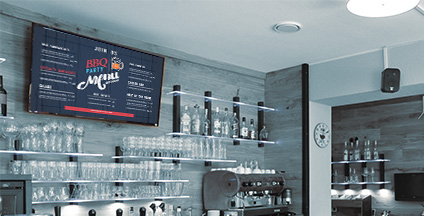
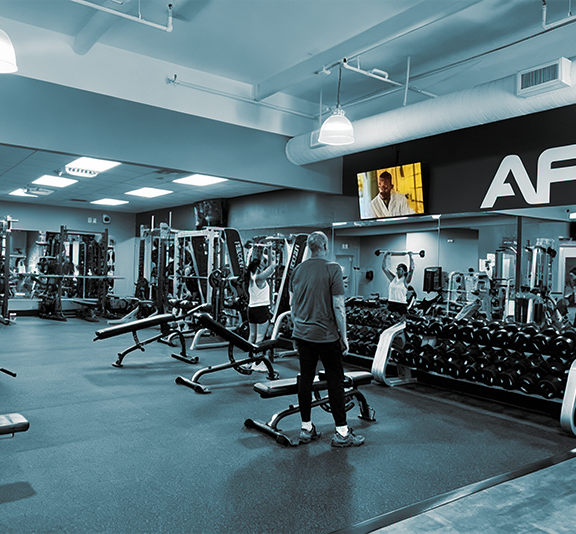
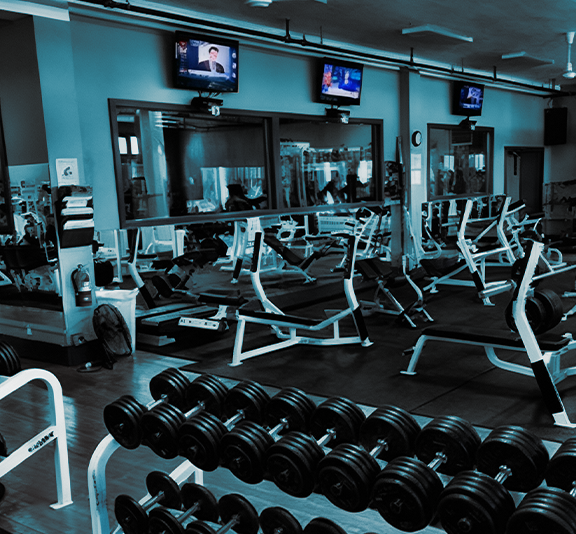
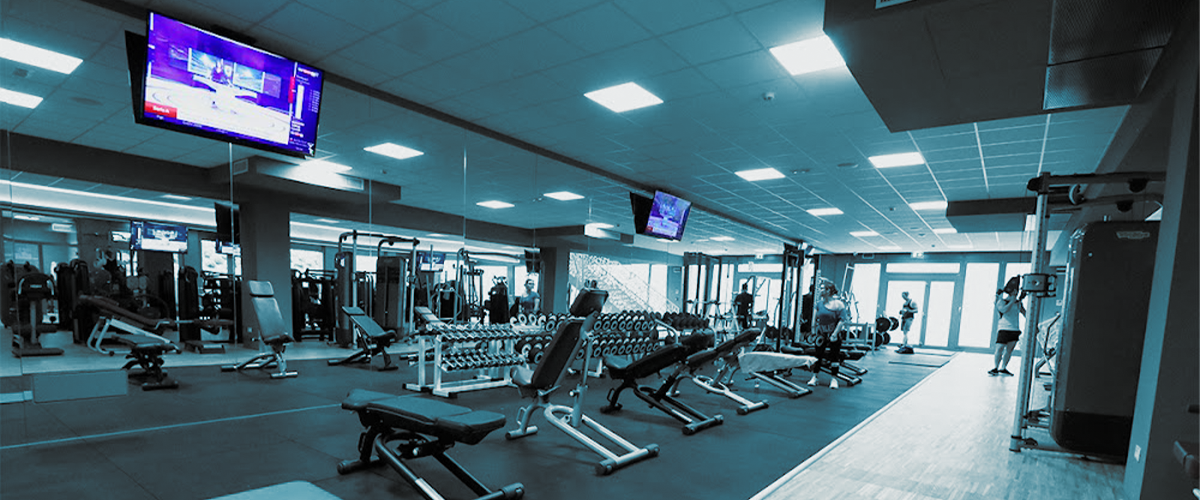
We installed 10 43-inch wall-mounted advertising displays on the walls of the training area and lounge, which provide real-time fitness guidance and rotate equipment usage tutorials every 15 minutes.
We designed the wall-mounted brackets to be tilted downwards at a 15-degree angle so that members doing bench presses can clearly see the exercise demonstrations when they look up. The two digital signs in the cardio area are installed vertically and display the members' running mileage leaderboard in real time, which is conducive to healthy competition among members.
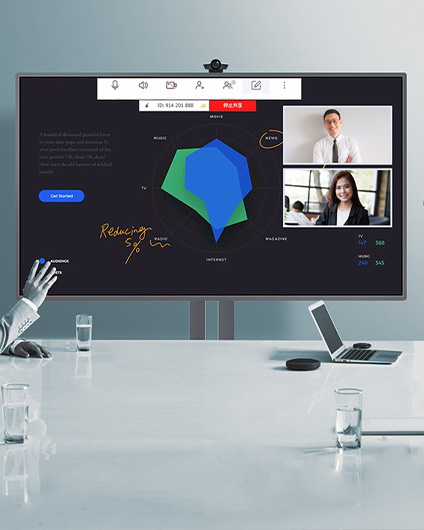
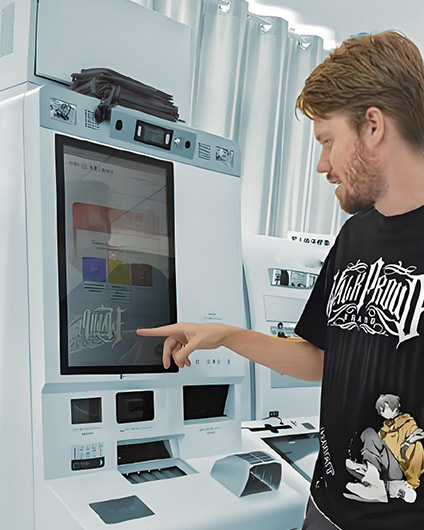
The interactive touch display installed in the rest area is the core service touchpoint of this upgrade and a requirement that Jerick Tolsky values most. Members can easily browse the real-time updated complete class schedule, check instructor availability, and make or cancel classes themselves through an intuitive touch interface.
The device is directly connected to the gym's back-end management system, ensuring the real-time and accuracy of information. It successfully transforms a large number of routine inquiries into automated services, significantly improving member satisfaction and operational autonomy.
The cloud-based management system is the core of the gym's digital solution, facilitating remote control of all equipment. Administrators can upload content via application software or USB drive for instant updates. Tolsky praised its intuitive user interface, which is easy for even non-technical personnel to use.
The system supports multi-device synchronization, ensuring consistency of information between entrances and training areas. Users can easily create playlists, drag and drop different content to designated screens or screen groups, and set playback times.
Contextualized content strategies tailor displays based on different regions and times, enhancing relevance. For example, the entry point focuses on welcome messages and promotions, while the training area emphasizes instructional videos.
Furthermore, gyms can use the system to update themes for holidays or special events. For instance, pushing healthy recipes on Thanksgiving increases member interaction. Throughout the day, different content can be played at different times, ensuring high relevance to the gym's plans. This helps gyms shift from generalized advertising to personalized communication, enhancing user loyalty while preventing content fatigue.
Before introducing digital signage solutions to the gym, Jerick Tolsky conducted research showing a member satisfaction rate of only 75%. Most members felt that outdated information led to frequent complaints. After implementing the digital signage solution, the survey showed that member satisfaction rose to 92%, with real-time updates resolving most misunderstandings.
Besides increased member satisfaction, the gym's operational efficiency also improved. Previously, content updates required 3 to 5 days of manual preparation; now, through the cloud-based display system, updates take only minutes, freeing up staff to focus on providing guidance and services.
From a marketing perspective, before implementing the digital signage solution, promotional campaign conversion rates were only 10%, as dynamic screen content was more engaging. After deployment, conversion rates rose to 30%, with members reporting that video content was more persuasive than static posters.
From a revenue perspective, quarterly revenue increased by 25% before and after implementing digital signage. Revenue primarily came from higher renewal rates and the promotion of ancillary services, such as nutrition consultations and gym equipment sales.


Contact me